Exercise While Taking GLP-1 Medication: How to Protect Muscle and Support Healthy Weight Loss

GLP-1 medications such as semaglutide, liraglutide, and tirzepatide are helping many people improve weight, blood sugar control, and metabolic health. But while these medications can be effective, they work best when combined with the right lifestyle support. Exercise while taking GLP-1 medication remains one of the most important parts of that plan, especially for preserving strength, supporting fitness, and helping people maintain results over time.
Why exercise matters while taking GLP-1 medication
A common misunderstanding is that exercise is only useful for burning extra calories. In reality, exercise plays a much bigger role. When body weight drops, it is normal to lose a combination of fat mass and lean mass. That means some muscle loss can occur during weight loss if exercise is not part of the plan. For people taking GLP-1 medication, the right program can help preserve muscle mass, maintain strength, improve mobility, and make it easier to keep weight off over the longer term. Protecting muscle mass is one of the main themes in current GLP-1 exercise guidance.
Exercise can also help with:
- improving cardiovascular fitness
- supporting blood sugar control
- maintaining mobility and balance
- reducing deconditioning during weight loss
- building long-term healthy habits beyond medication use
Exercise physiology also has an important role in supporting people using GLP-1 medications, particularly when the goal is to protect muscle mass, maintain function, and improve long-term outcomes, as outlined in ESSA’s policy position on the role of exercise physiology in GLP-1 weight-loss medications.
Broad exercise guidelines for adults
For general health, most adults should aim for:
- 150 to 300 minutes of moderate-intensity aerobic exercise per week, or
- 75 to 150 minutes of vigorous-intensity aerobic exercise per week
- plus muscle-strengthening exercise at least 2 days per week
For many adults, exercise while taking GLP-1 medication should include both aerobic exercise and strength training each week. For older adults, balance and functional exercise can also be important. These broad guidelines provide a strong starting point for people taking GLP-1 medication and are consistent with current exercise guidance used by major health organizations.
What intensity is best for aerobic exercise on GLP-1?
For most people, moderate-intensity aerobic exercise is the best place to start while taking GLP-1 medication. In practical terms, this usually means:
- working at about RPE 4 to 6 out of 10
- exercising at a pace where you can still talk, but not sing
- training at an effort that feels steady and sustainable rather than exhausting
For some people, this may feel similar to Zone 2 training, but in most cases a simple talk test or RPE scale is easier and more practical than strict heart rate targets. This moderate-intensity approach also makes sense for people adjusting to reduced appetite, nausea, fatigue, or lower energy intake.
Good options include:
- walking
- cycling
- swimming
- cross trainer
- rowing
- low-impact cardio classes
Strength training is especially important on GLP-1 medication
If there is one area of exercise that deserves extra attention while taking GLP-1 medication, it is strength training. Resistance exercise gives your body a reason to maintain muscle during weight loss. It also supports strength, bone health, posture, balance, mobility, and day-to-day function. Current GLP-1 exercise guidance repeatedly highlights strength training as one of the best ways to help protect muscle mass during medically supported weight loss.
Strength training does not need to be extreme or intimidating. For many people, a simple whole-body program performed 2 to 3 times per week is enough to create meaningful benefits. A structured plan for exercise while taking GLP-1 medication can help support muscle preservation and long-term results.
This may include exercises such as:
- sit-to-stands
- squats
- step-ups
- rows
- presses
- calf raises
- light core and balance work
The aim is not to train like an athlete. The aim is to stay strong, capable, and physically resilient while your body composition changes.
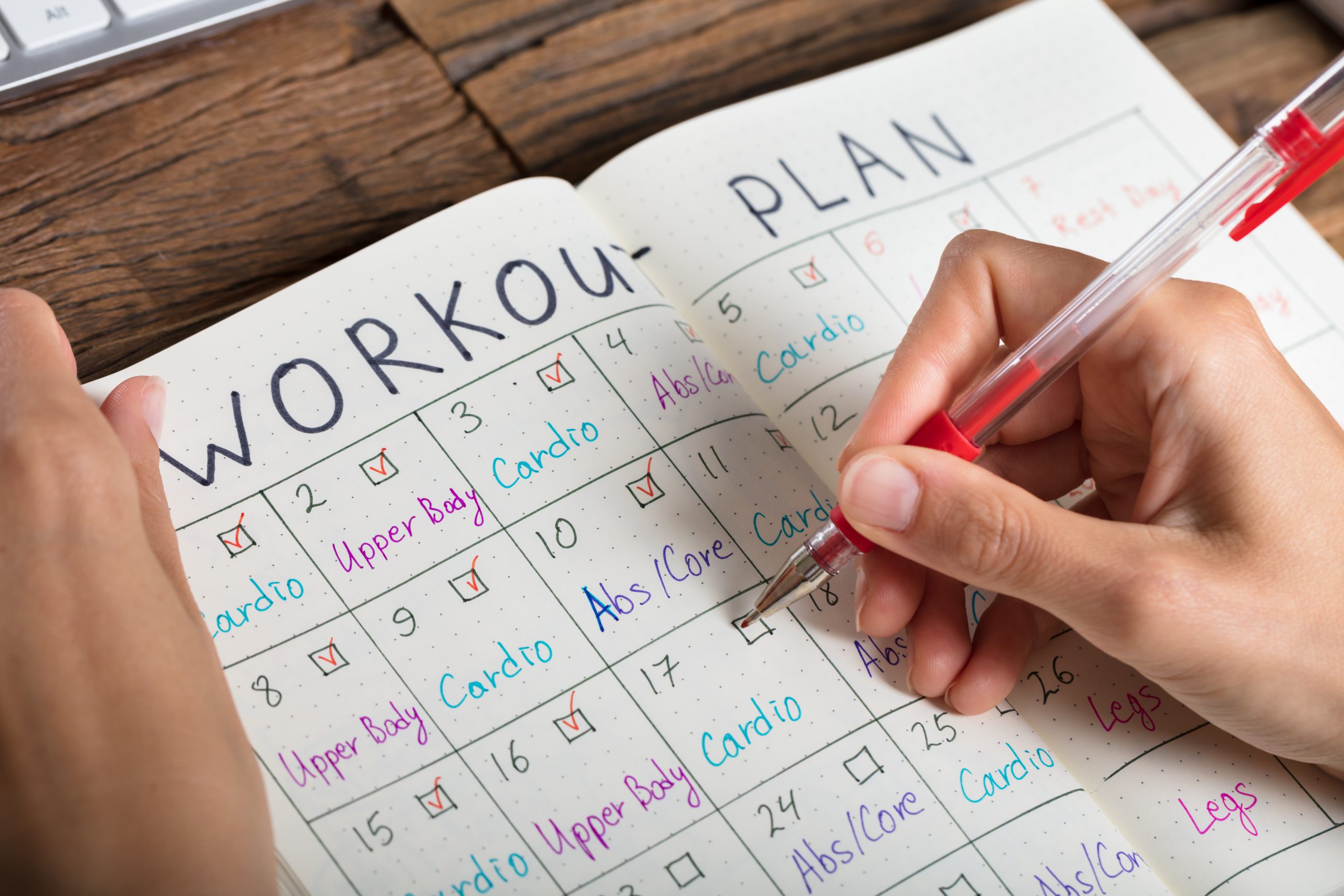
A simple starting exercise plan
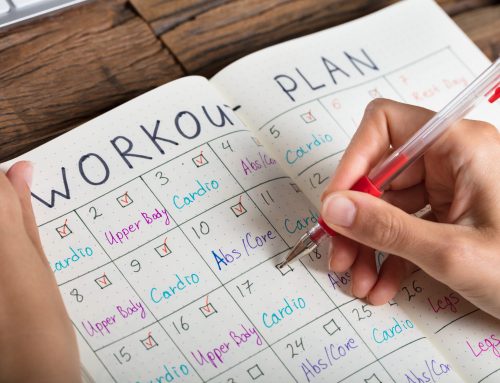
For many adults, exercise while taking GLP-1 medication should begin with a simple, sustainable mix of walking, moderate aerobic activity, and strength training each week. A simple starting exercise plan while taking GLP-1 medication for many adults may include:
- aerobic exercise 3 to 5 days per week
- moderate intensity at RPE 4 to 6 out of 10
- building toward 150 minutes per week
- strength training 2 to 3 times per week
- gradual progression based on recovery, tolerance, and consistency
This approach is often safer and more sustainable than jumping straight into hard, high-intensity exercise. It also aligns with people-first health guidance that favors practical, maintainable routines over aggressive short-term training.
The bottom line
GLP-1 medication can be a useful tool, but it should not replace movement, strength, and good exercise habits. The best approach is usually one that combines moderate aerobic exercise, regular strength training, and gradual, sustainable progression. This supports not only weight loss, but also muscle preservation, physical function, energy, and long-term health. A consistent approach to exercise while taking GLP-1 medication can help protect muscle, support fitness, and improve long-term weight loss outcomes.
Need help building the right exercise plan?
At Healthsmart Exercise Physiology, we provide personalised exercise programs designed around your health needs, goals, fitness level, and medical background. If you are taking GLP-1 medication and want guidance on how to exercise safely and effectively, we can help you build a plan that supports fat loss while protecting strength, mobility, and long-term function.
We offer clinic-based and mobile exercise physiology services across the Gold Coast and Northern NSW.
Book an appointment to get started with a tailored exercise plan that works for you.