
Neurological and complex health conditions can affect strength, coordination, balance, mobility, endurance, and functional independence. Exercise physiology plays an important role in maintaining physical capacity and supporting long-term function in people living with these conditions.
Neurological and Complex Conditions Exercise Physiology focuses on the safe prescription, delivery, and progression of structured exercise programs tailored to an individual’s diagnosis, functional presentation, and clinical needs.
What Is Neurological and Complex Conditions Exercise Physiology?
Neurological exercise physiology involves the prescription and progression of evidence-based exercise for people living with conditions affecting the nervous system or multiple body systems.
Neurological and Complex Conditions Exercise Physiology is the delivery of evidence-based exercise interventions by an Accredited Exercise Physiologist (AEP) for people living with conditions affecting the nervous system or multiple body systems.
Programs are designed to address impairments in movement, balance, strength, coordination, cardiovascular fitness, and functional capacity, while considering fatigue, symptom variability, and comorbid health conditions. Exercise is prescribed within clinical guidelines and adjusted over time based on response, safety, and goals.
Who This Service Is For?
This service is suitable for adults who:
- Are living with a neurological or complex medical condition
- Experience reduced mobility, balance, strength, or coordination
- Require structured, supervised exercise due to medical complexity
- Have multiple co-existing health conditions impacting exercise tolerance
- Have been referred by a GP or medical specialist
- Want to maintain or improve functional independence through safe exercise
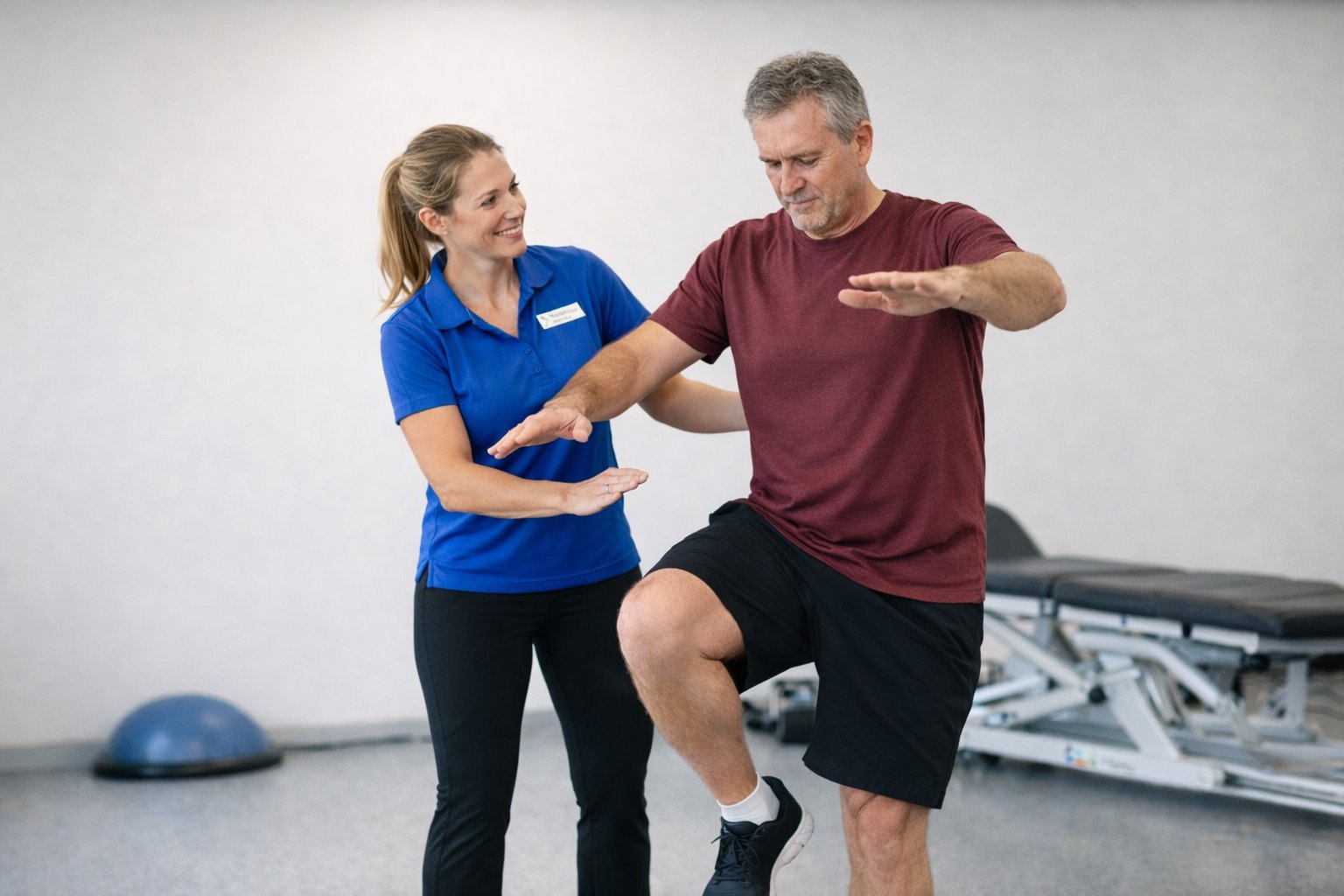
Conditions We Commonly Support
Neurological and Complex Conditions Exercise Physiology may support people living with:
- Stroke and transient ischaemic attack (TIA)
- Parkinson’s disease and Parkinsonian syndromes
- Multiple sclerosis
- Acquired brain injury
- Spinal cord injury (non-acute, medically stable)
- Peripheral neuropathy
- Functional neurological disorders
- Complex multimorbidity involving neurological, cardiovascular, or metabolic conditions
Exercise programs are individualised and may be integrated alongside care plans addressing Chronic Disease Management and Balance and Falls Prevention where appropriate
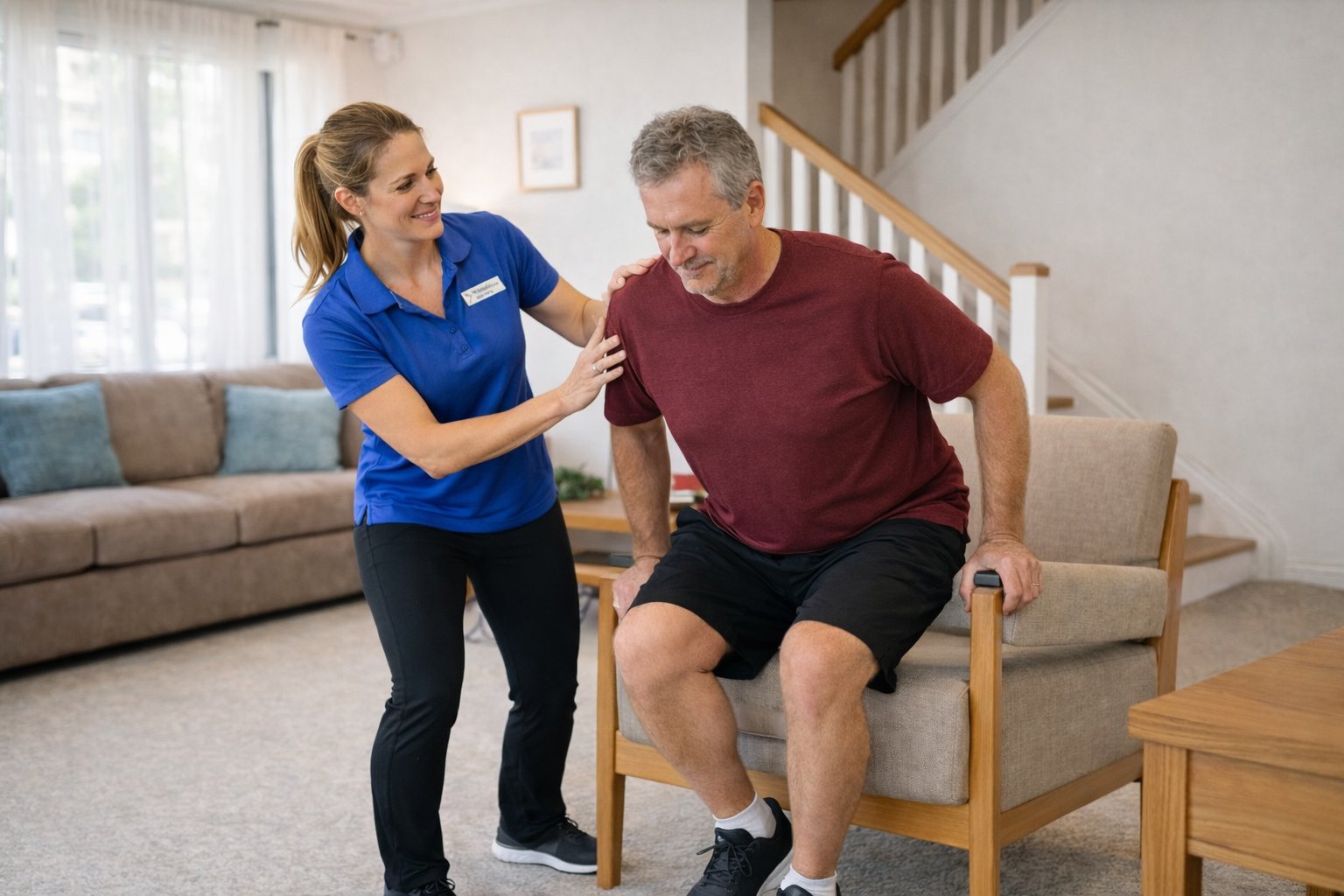
Our Assessment and Exercise Physiology Process
All programs commence with a comprehensive exercise physiology assessment, which may include:
- Medical and neurological history review
- Functional movement and mobility assessment
- Balance, strength, and endurance screening
- Cardiovascular and exercise tolerance considerations
- Review of medications and symptom variability
Based on assessment findings, an individualised exercise program is developed and progressed in line with clinical guidelines, capacity, and safety considerations. Neurological exercise physiology programs are progressed conservatively and adjusted over time based on clinical presentation, safety considerations, and functional response.
Flexible Session Delivery Options
Neurological and Complex Conditions Exercise Physiology sessions may be delivered:
- In-clinic at our Gold Coast location
- In the home environment where appropriate
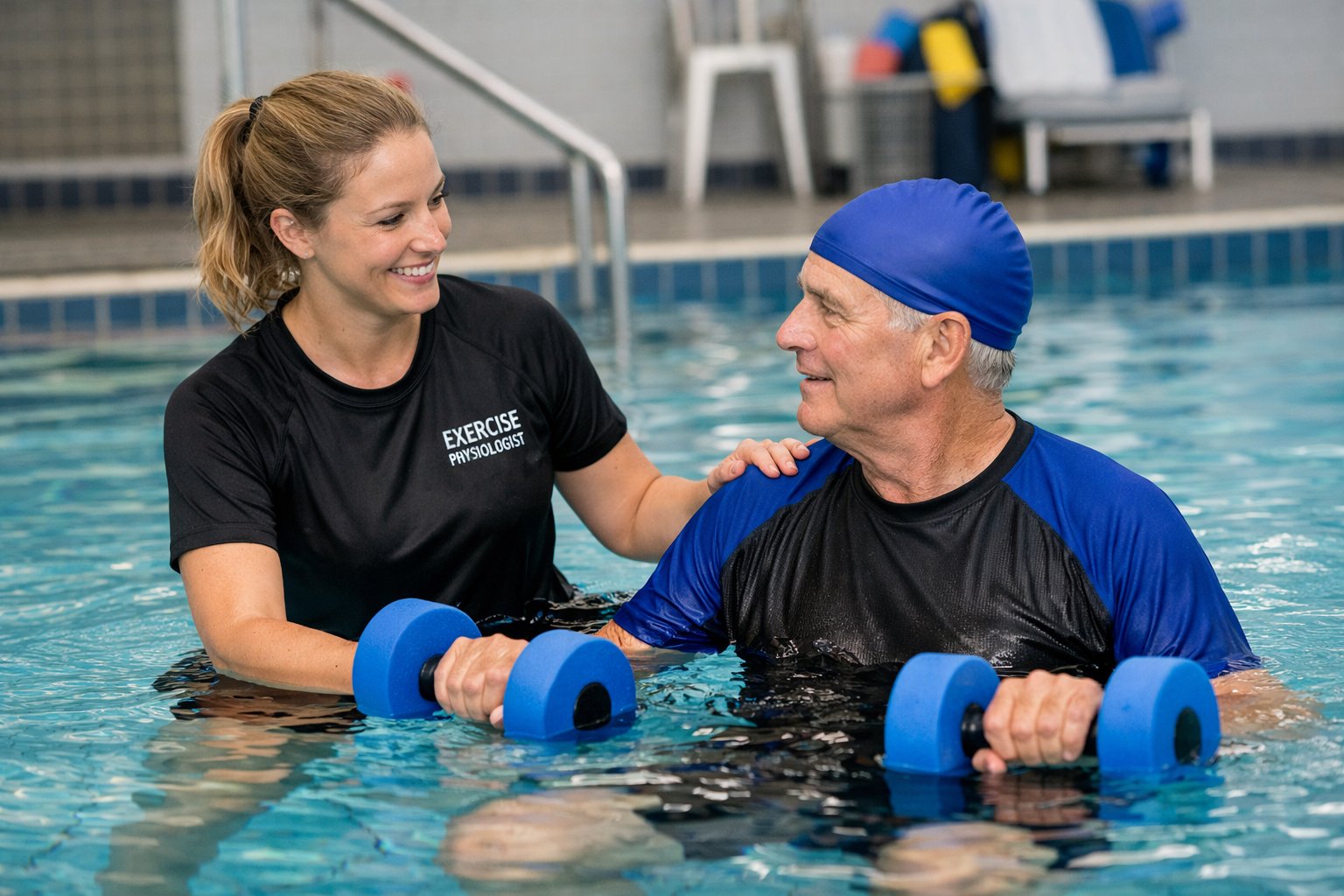
- Through a combination of clinic-based, home-based, gym-based or hydrotherapy sessions
Session delivery is selected based on mobility, safety, access, and clinical presentation, and may change over time as function and confidence improve.
.
Funding and Referral Options
Exercise physiology services may be accessed through:
- Medicare Chronic Disease Management (CDM) plans
- Department of Veterans’ Affairs (DVA) referrals
- NDIS plans (where exercise physiology supports plan goals)
- Private referral or self-funded arrangements
Referrals are commonly provided by GPs or medical specialists. Exercise physiology is recognised as a core allied health service within chronic and complex condition management frameworks supported by organisations such as Australian Institute of Health and Welfare.
.