
Musculoskeletal Injury Management
Exercise Physiology for Pain Relief, Rehabilitation & Functional Recovery
Musculoskeletal injury management focuses on restoring movement, reducing pain, and rebuilding strength following injury, surgery, or long-term musculoskeletal conditions that affect everyday function and confidence.
At Healthsmart Exercise Physiology, we deliver structured, evidence-based rehabilitation programs led by an Accredited Exercise Physiologist, supporting adults across the Gold Coast and Northern NSW to move safely and independently.
Our programs are individualised, progressive, and grounded in clinical assessment, biomechanics, and current exercise science.
👉 Clinic-based and home-based appointments available across the Gold Coast and Northern NSW.
What Is Musculoskeletal Injury Management?
Musculoskeletal injury management is an exercise-based rehabilitation service that uses targeted, progressive exercise to address pain, movement limitations, weakness, and functional decline caused by injury or musculoskeletal conditions.
Unlike passive treatments, exercise physiology focuses on active rehabilitation, using carefully prescribed exercise to improve strength, mobility, stability, and confidence while reducing the risk of re-injury.
All programs are delivered by an Accredited Exercise Physiologist, ensuring clinical oversight, safety, and evidence-based progression tailored to your individual needs.
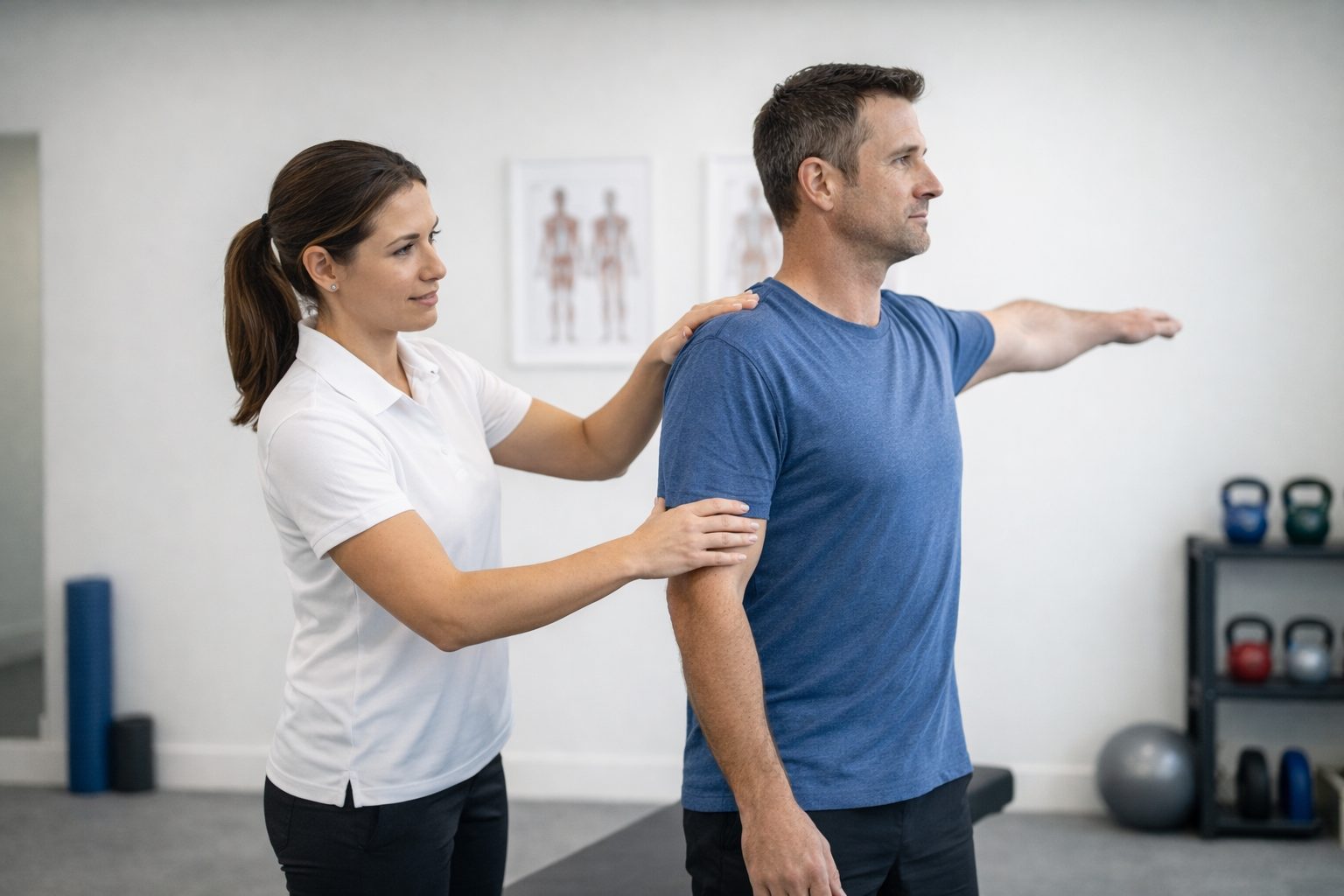
Who This Service Is For
Musculoskeletal injury management may be suitable if you are experiencing:
- Persistent or recurrent muscle or joint pain
- Reduced strength, balance, or mobility after injury
- Recovery following orthopaedic surgery
- Work-related or overuse injuries
- Arthritis, tendinopathy, or chronic musculoskeletal conditions
- Loss of confidence with movement or daily activities
Programs are appropriate for older adults, working adults, and individuals returning to activity after injury or surgery.
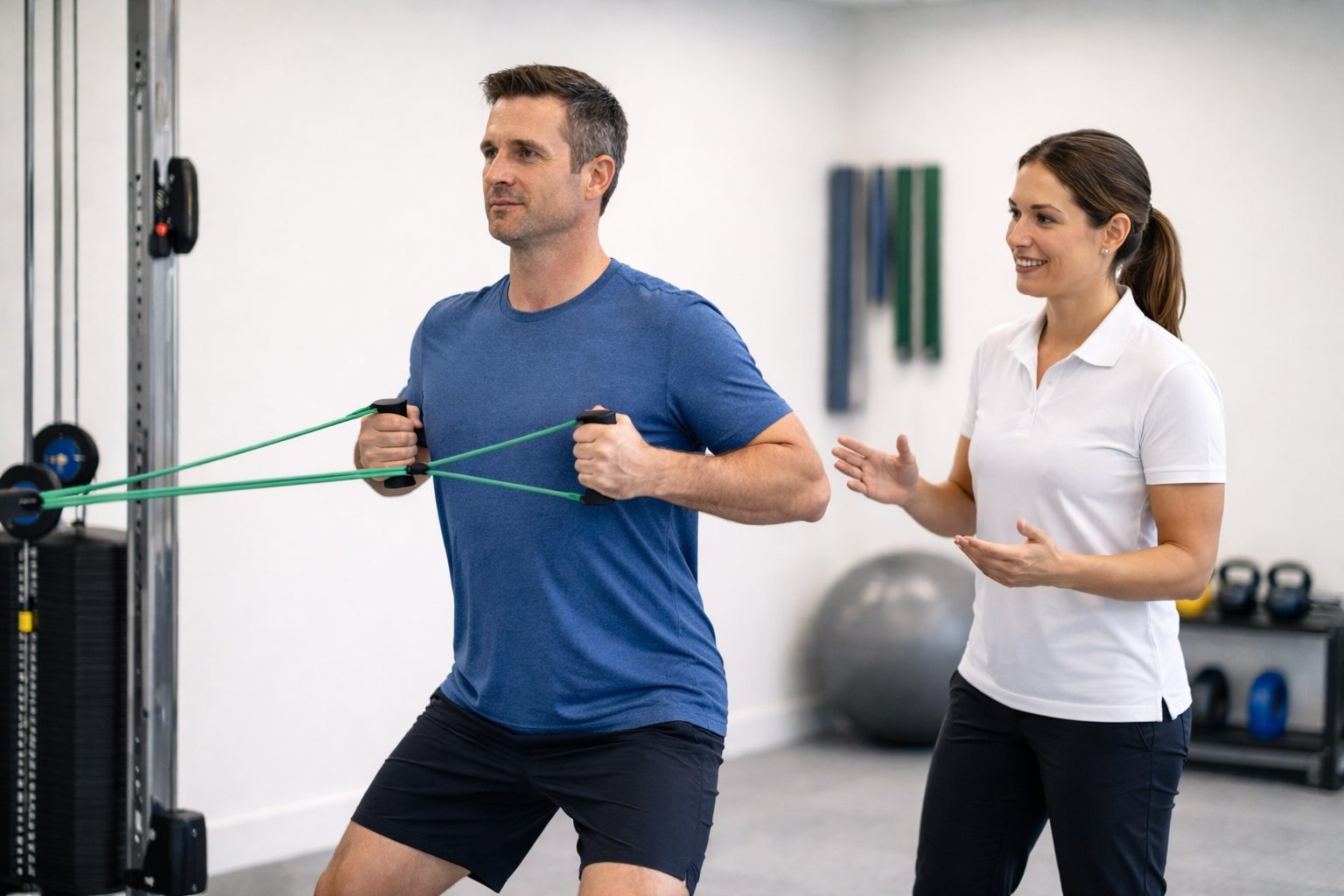
Conditions We Commonly Support
We regularly work with clients managing:
- Back, neck, and spinal pain
- Shoulder, hip, and knee injuries
- Tendon and ligament injuries
- Post-operative orthopaedic rehabilitation
- Osteoarthritis and joint degeneration
- Persistent musculoskeletal pain conditions
If you are unsure whether exercise physiology is appropriate for your condition, an initial assessment can help determine the safest and most effective approach.
Our Assessment & Rehabilitation Process
Every musculoskeletal injury management program begins with a comprehensive clinical assessment, allowing your Accredited Exercise Physiologist to design a safe, individualised rehabilitation plan aligned with your condition, goals, and capacity.
1. Initial Musculoskeletal Assessment
- Injury and medical history review
- Pain patterns and movement limitations
- Strength, mobility, balance, and functional testing
2. Individualised Exercise Prescription
- Targeted exercises addressing pain drivers
- Progressive strength and movement retraining
- Load management and pacing strategies
3. Progressive Rehabilitation & Monitoring
- Ongoing reassessment and progression
- Technique correction and education
- Adjustments based on symptoms and goals
4. Long-Term Functional Support
- Return-to-work or activity guidance
- Injury prevention strategies
- Confidence building for independent movement
Flexible Session Delivery Options
To support recovery in real-world environments, musculoskeletal injury management sessions may be delivered in multiple settings:
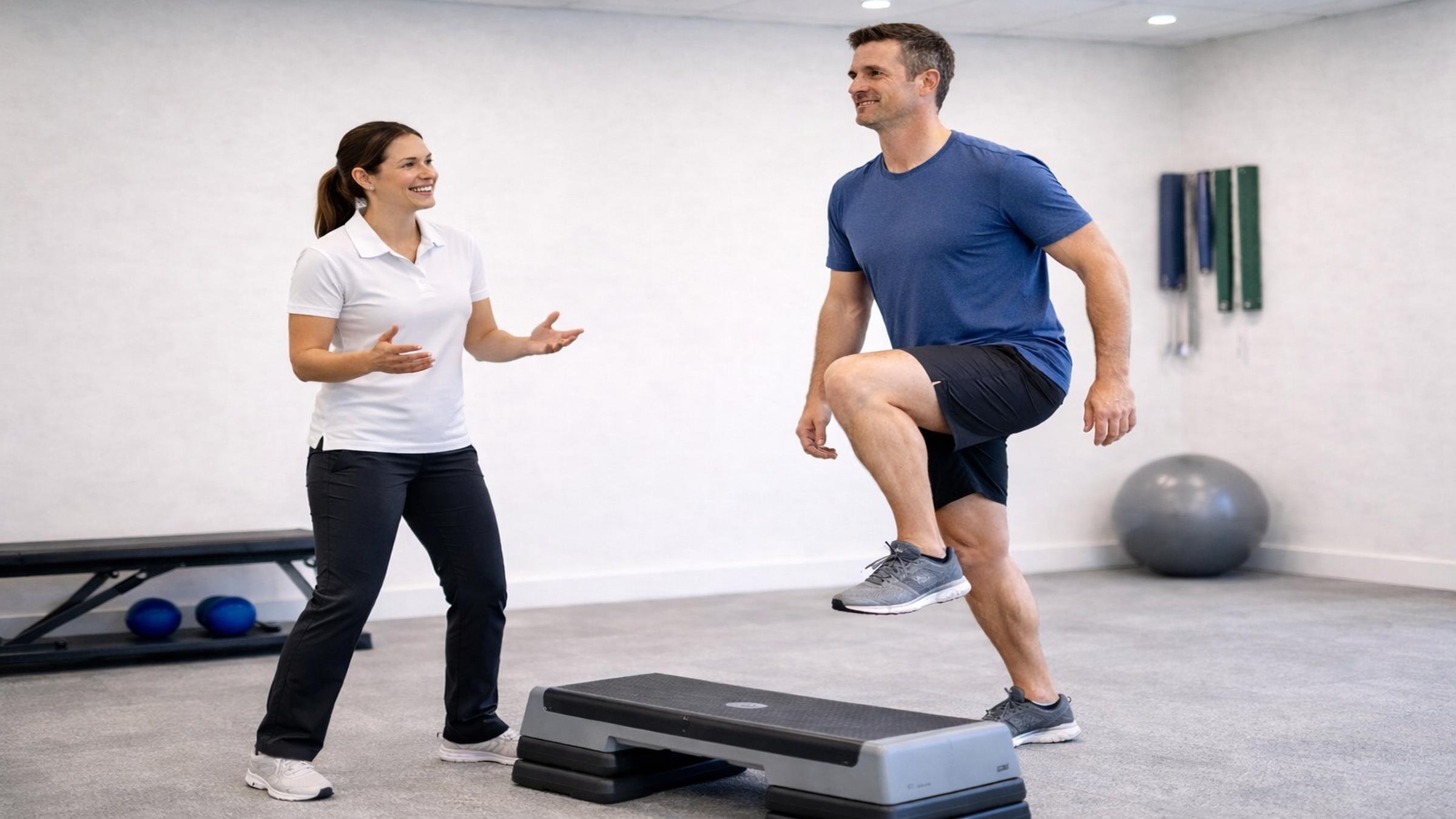
Clinic-Based Rehabilitation
Clinic sessions provide access to specialised rehabilitation equipment and controlled environments ideal for:
- Strength and loading progressions
- Movement retraining
- Balance and stability work
- Objective reassessment and progression
This setting is particularly useful for early-stage rehabilitation or when higher levels of supervision are required.
Home-Based Rehabilitation
Home-based sessions allow rehabilitation to occur within your real-world environment. This approach supports:
- Functional task retraining (stairs, lifting, transfers)
- Improved carryover to daily activities
- Comfort and familiarity during recovery
- Reduced barriers to consistency
Programs use minimal equipment and focus on movements that matter most to your daily life.
Gym-Based Rehabilitation
When appropriate, gym-based rehabilitation may be used to safely rebuild capacity using:
- Resistance machines and free weights
- Progressive loading strategies
- Controlled strength development
- Confidence rebuilding with movement
This option is ideal for people transitioning from rehabilitation back to higher-level function, work, or sport.
Hydrotherapy (Where Appropriate)
In selected cases, hydrotherapy may be used as a supportive addition to land-based exercise programs.
The buoyancy of water can reduce joint load and allow earlier movement, particularly during periods of pain, flare-up, or reduced tolerance to weight-bearing exercise.
Hydrotherapy is included when it clearly supports functional progress on land. All water-based exercises are carefully prescribed and supervised, with a strong focus on safety and transfer of gains back to everyday movement.
Funding & Referrals
Musculoskeletal injury management may be accessible under several funding pathways, including:
- Medicare (Chronic Disease Management / EPC plans)
- Department of Veterans’ Affairs (DVA)
- NDIS (self-managed and plan-managed participants)
- WorkCover and workplace injury referrals
- Private health and self-funded services
If you are unsure about eligibility or referral requirements, we can assist you during booking.
Why Choose Healthsmart Exercise Physiology?
- Accredited Exercise Physiologist-led care
- Evidence-based, progressive rehabilitation
- Individualised programs — not generic exercises
- Clinic-based and mobile services available
- Focus on long-term outcomes and independence
Our goal is not just pain reduction, but restoring confidence, function, and quality of life.
Frequently Asked Questions – Musculoskeletal Injury Management
Book a Musculoskeletal Injury Assessment
If pain, injury, or movement limitations are affecting your independence or quality of life, early intervention can make a meaningful difference.
👉 Book your exercise physiology assessment today and take the first step toward moving with greater comfort, strength, and confidence.
Clinic-based and home-based appointments available across the Gold Coast and Northern NSW.