About Healthsmart Exercise Physiology

Healthsmart Exercise Physiology was established to support adults who want to stay active, independent, and confident in their movement—whether managing a chronic condition, recovering from injury, or adapting to age-related changes.

We provide evidence-based exercise physiology services across the Gold Coast and Northern NSW, delivering personalised programs in clinic, at home, or through a flexible combination of both. Every program is designed to improve function, safety, and long-term health outcomes.

Evidence-Based Exercise Physiology for Real-World Health

Exercise physiology is a clinical health profession focused on using prescribed exercise to manage injury, chronic disease, and complex health conditions.

  • Unlike general fitness programs, exercise physiology is:
  • University-qualified and clinically trained
  • Individually prescribed following assessment
  • Designed for people with medical conditions, injuries, or mobility limitations
  • Focused on long-term function, safety, and independence

At Healthsmart Exercise Physiology, exercise is not about pushing limits unnecessarily—it’s about building strength, balance, confidence, and capacity in a safe, structured way that supports everyday life.

Experience That Supports Long-Term Health

Healthsmart Exercise Physiology is led by an Accredited Exercise Physiologist with over 25 years of clinical experience working across a broad range of health and rehabilitation settings.

This experience includes supporting people with:

  • Chronic and complex medical conditions
  • Musculoskeletal injuries and post-surgical recovery
  • Neurological conditions
  • Age-related strength, balance, and mobility decline
  • Long-term pain and reduced confidence with movement

Every program is grounded in clinical reasoning, evidence-based practice, and a strong understanding of how health conditions affect real-world function.

Matthew Wratten, Accredited Exercise Physiologist specialising in healthy ageing and longevity

A Practical, Individualised Approach

No two people move—or recover—the same way. That’s why every client begins with a comprehensive assessment to understand health history, movement capacity, goals, and daily demands.

Programs are:

  • Individually prescribed and progressed safely
  • Adapted to changing health needs
  • Focused on functional, meaningful outcomes
  • Delivered at a pace that supports confidence and adherence

Where appropriate, care is coordinated with GPs, specialists, and referrers to ensure exercise programs align with broader health management.

Where Sessions Take Place

To ensure accessibility and continuity of care, sessions can be delivered in several settings:

  • Clinic-based sessions with access to specialised equipment
  • Home-based sessions for safety, familiarity, and real-world function
  • Hybrid programs combining clinic and home support as needs change

This flexibility allows programs to adapt to mobility, transport, health fluctuations, and personal preferences over time.
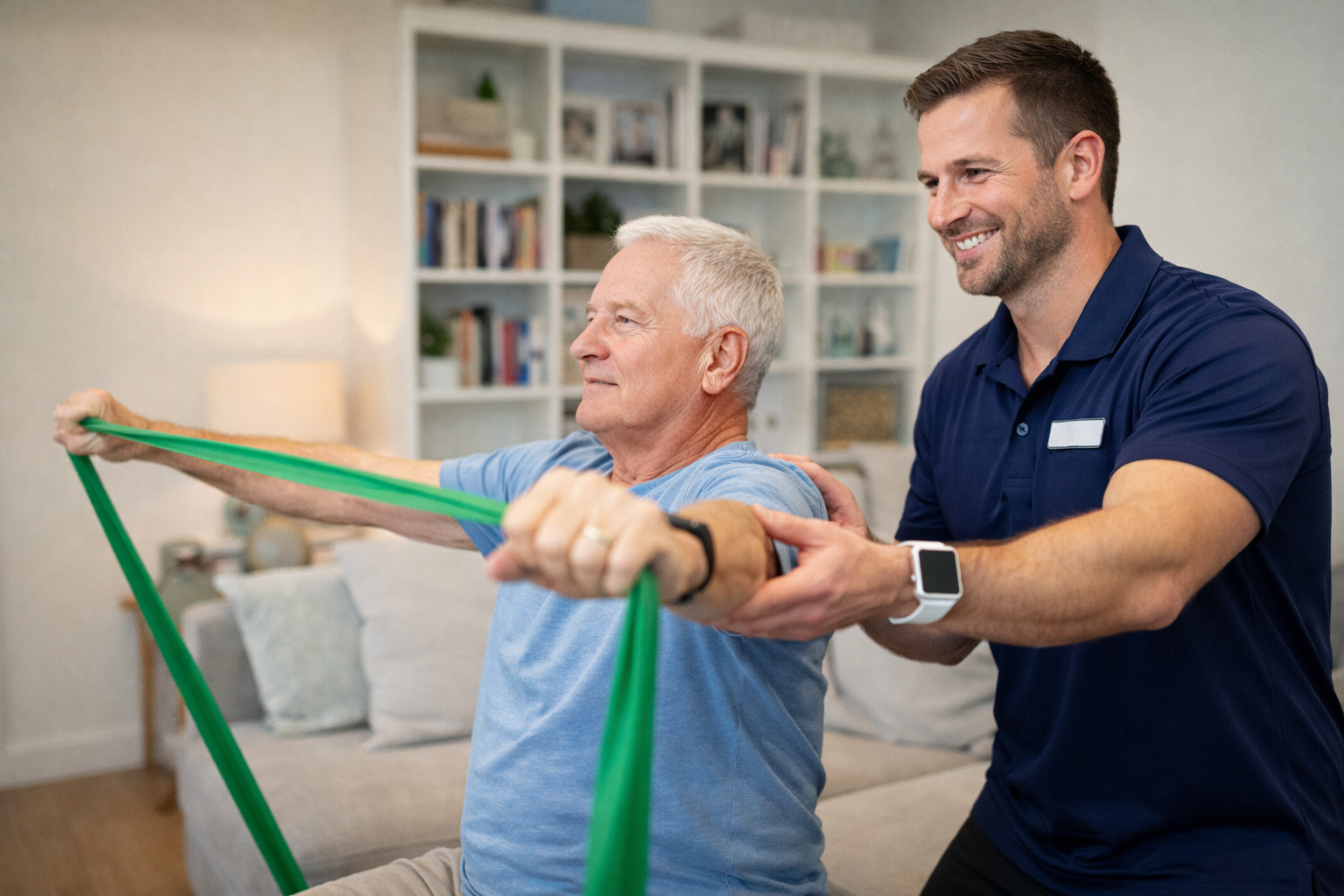
Accredited exercise physiologist assisting an older adult with resistance band exercises at home
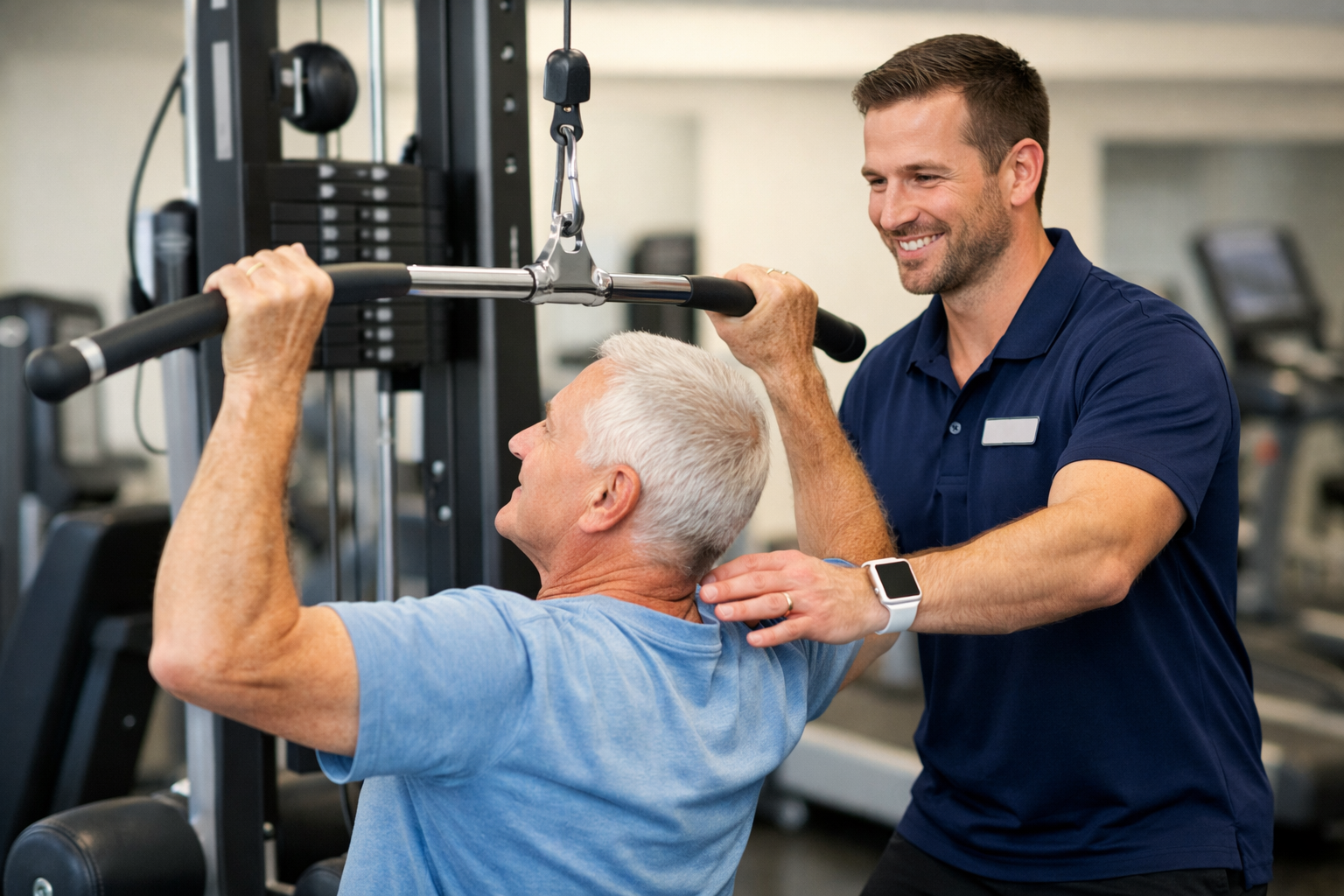
Accredited exercise physiologist guiding strength training in a clinical gym
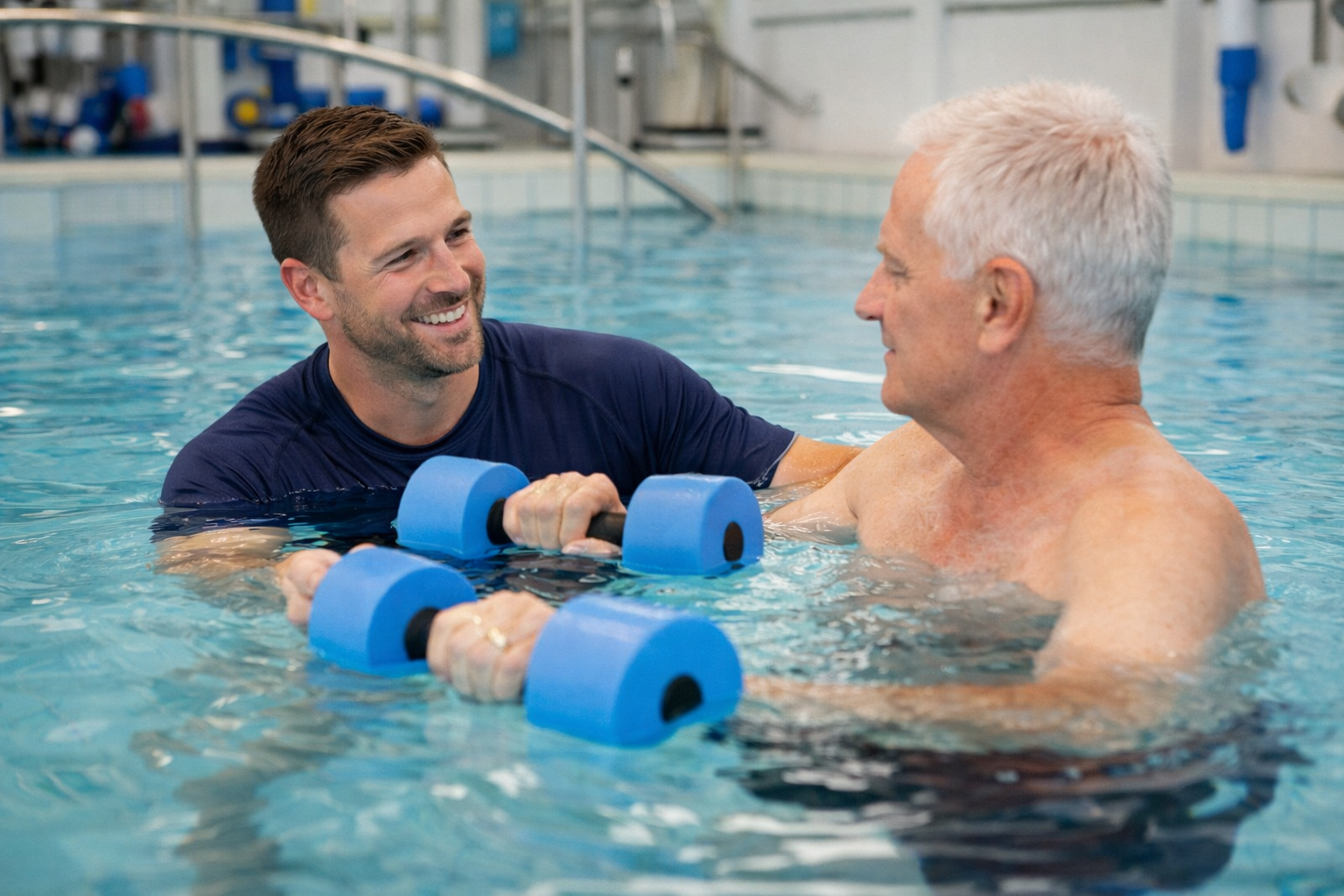
Accredited exercise physiologist supervising hydrotherapy exercises in an indoor pool

Who We Support

Healthsmart Exercise Physiology works with adults across a wide range of life stages and health needs, including:

  • Older adults wanting to maintain independence and reduce falls risk
  • People managing chronic conditions such as cardiovascular disease, diabetes, osteoporosis, and arthritis
  • Clients recovering from injury or surgery
  • Individuals living with neurological or complex health conditions
  • NDIS participants
  • Clients accessing Medicare, DVA, WorkCover, Support at Home, or private health funding

Funding and Referrals

Exercise Physiology services may be accessed through multiple pathways, including:

  • Medicare Chronic Disease Management (EPC) plans
  • NDIS funding
  • DVA referrals
  • Support at Home – Aged Care
  • Workcover and compensable schemes
  • Private Health Insurance
  • Self-referral (no referral required to get started)

Funding options can be discussed during your intial assessment.

Frequently Asked Questions

If you’re new to exercise physiology or unsure how it applies to your situation, the answers below may help. You can also explore specific services in more detail through the links provided.

Exercise physiology focuses on using clinical, evidence-based exercise to manage injuries, chronic conditions, and age-related changes.

Unlike personal training, programs are designed around medical history, pain, mobility, and functional limitations.
Unlike physiotherapy, exercise physiology typically focuses on ongoing rehabilitation, conditioning, and long-term functional improvement rather than short-term treatment.

👉 Learn more on the What Is An Exercise Physiologist page.

No referral is required to book privately.

However, referrals may allow access to funding through:

  • Medicare (EPC / Chronic Disease Management plans)
  • DVA
  • NDIS
  • Aged care programs
  • WorkCover (where applicable)

Both exercise physiologists and physiotherapists play important roles in health and rehabilitation, but their focus is different.

Physiotherapists commonly focus on:

  • Diagnosis and treatment of acute injuries
  • Hands-on therapy such as manual techniques
  • Short-term pain relief and early-stage rehabilitation

Exercise Physiologists focus on:

  • Prescribing structured, evidence-based exercise as treatment
  • Ongoing rehabilitation and long-term condition management
  • Improving strength, mobility, balance, and functional capacity
  • Supporting long-term independence and health through movement

Exercise physiology is often used after or alongside physiotherapy, particularly when the goal is to build long-term strength, confidence, and function rather than short-term symptom management.

Many clients benefit most when both professions work together as part of a coordinated care team.


Optional Avada tip

  • Use FAQ or Toggle element

  • Keep this FAQ collapsed by default

  • Place it either:

    • At the end of the About page, or

    • As the first FAQ before broader questions

If you want, I can also:

  • Make a one-sentence version for service pages

  • Add a Medicare / referral clarification

  • Or align wording exactly with AEP professional guidelines

Just say the word.

👉 You can also read Exercise Physiologist or Physiotherapist, what is the difference?

.

Exercise physiologists specialise in using structured, evidence-based exercise to help people manage pain, chronic conditions, balance issues, and age-related changes. While personal trainers focus on general fitness and conditioning, exercise physiology focuses on long-term function, safety, and independence, particularly for people who require a more clinical approach to exercise.

This makes exercise physiology especially suitable for older adults and those with medical or mobility considerations.

👉 More details are available on the Exercise Physiologist vs Personal Trainer page.

Your initial appointment includes:

  • A discussion of your health history and goals
  • Movement and functional assessment
  • Explanation of how exercise can help
  • A clear plan for next steps

The aim is to ensure you feel informed, comfortable, and confident moving forward.

I work with adults across a wide range of needs, including:

  • Chronic disease management
  • Musculoskeletal injury rehabilitation
  • Neurological and complex conditions
  • Balance and falls prevention
  • Healthy ageing and independence

Programs are always tailored to the individual, regardless of age or fitness background.

👉 View the full range of Exercise Physiology Services.

Yes. Sessions can be delivered:

  • In the clinic
  • At home
  • In a gym setting
  • Via hydrotherapy where appropriate

Many clients benefit from a combination of settings, depending on mobility, confidence, transport, or health changes.

👉 Read more about Mobile and Clinic-Based Exercise Physiology

Yes. Exercise physiology is commonly used to support people living with:

  • Arthritis and joint pain
  • Back, shoulder, or knee injuries
  • Diabetes, heart disease, or osteoporosis
  • Neurological conditions
  • Reduced balance or strength

Exercise is prescribed carefully to improve function while respecting pain, fatigue, and safety.

👉 See how this works in Chronic Disease Management
👉 Or Musculoskeletal Injury Management

The best place to start is a one-on-one assessment. This allows us to determine the safest and most effective approach for your situation.

👉 Book an Assessment
👉 Or Contact Us if you have questions before booking

Let’s Get Started

If you’re unsure where to begin, a one-on-one assessment is the best first step. This allows us to discuss your goals, health history, and the most appropriate way forward.

Book an assessment today or explore the services available to find the right fit for you.